
Selling A Home In Troon North: The Desert You Don't Own, And The HOA Layer Buyers Will Ask About
August 20, 2026
August 20, 2026
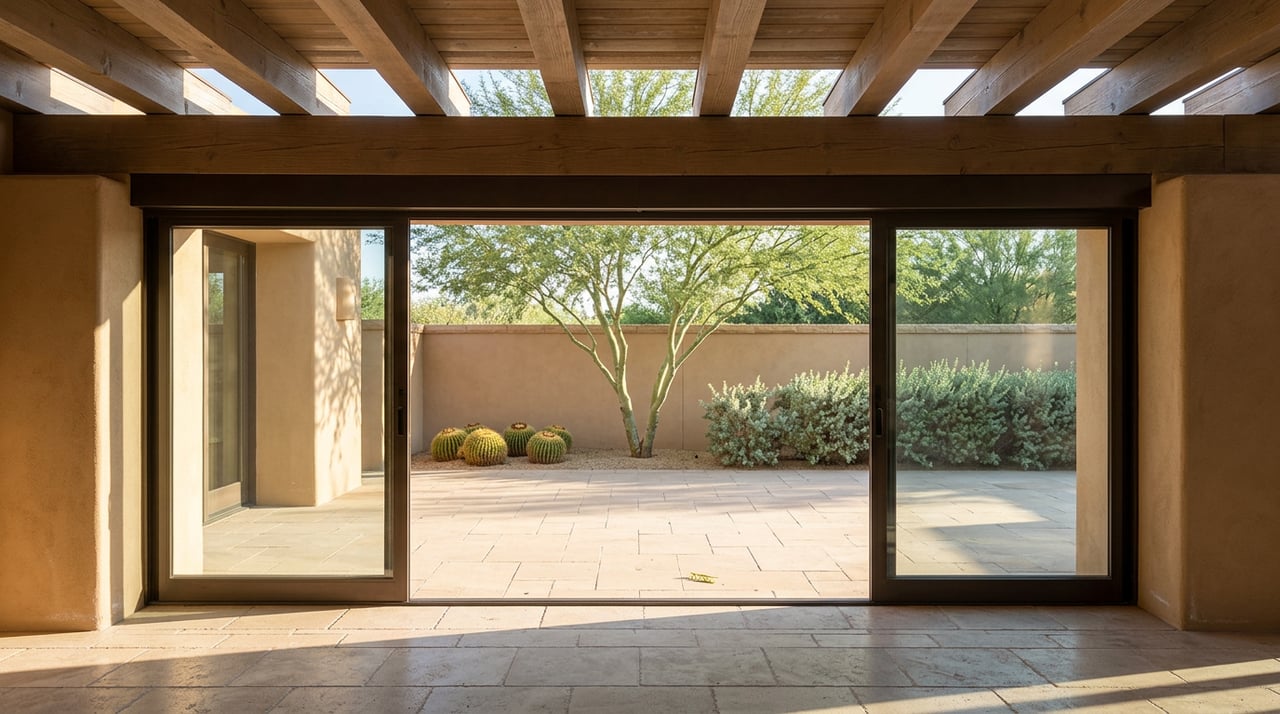
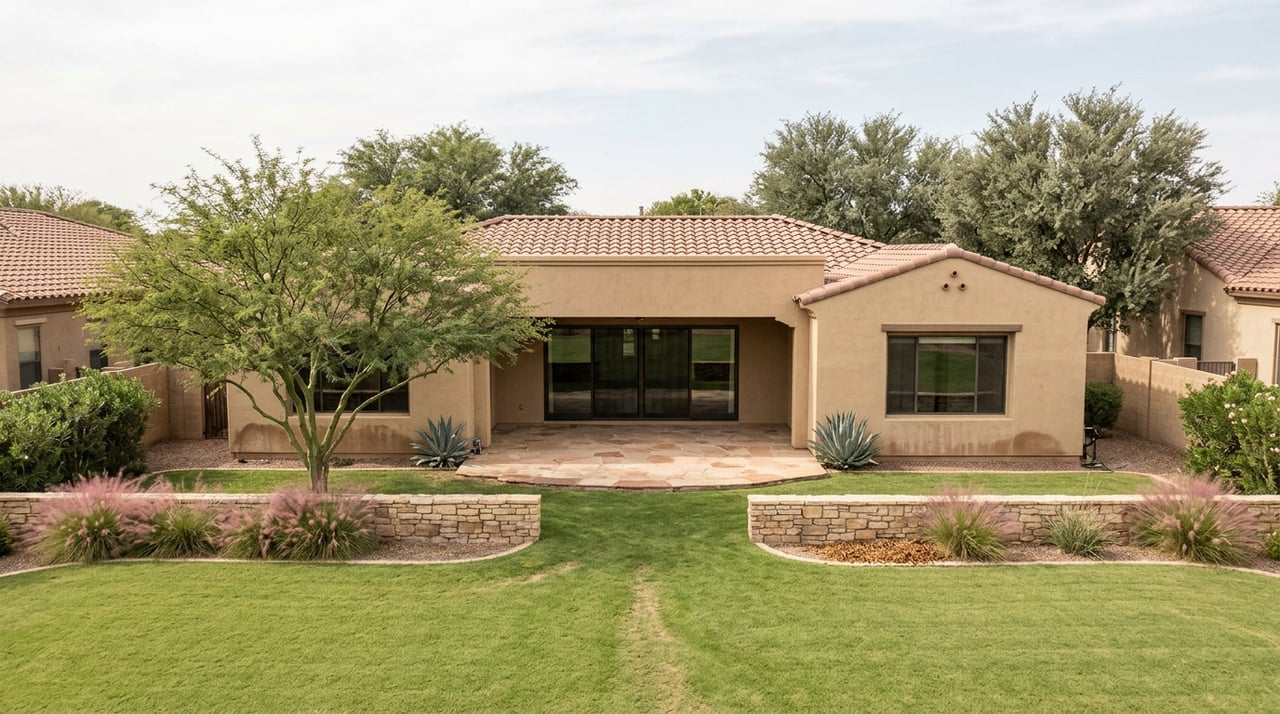
A seller called her agent last spring wanting to clear the brush behind her rear wall before photos went up. The lot backed to open desert, the kind of view that sells itself in every listing photo in this part of Scottsdale, and she figured a little cleanup would make it read even better. It turned out the rules for what she could do depended on what lay beyond her wall.
That five-foot line, not the number on the listing sheet, is where most Troon North sales actually get complicated.
Troon North sits inside Scottsdale's Environmentally Sensitive Lands overlay. The Troon North Association publishes its own defensible-space guidance for exactly this reason: owners in the five feet beyond their wall may trim living plants, but in the next fifteen feet, only fallen dead branches and limbs can be removed. Trees and shrubs cannot be pruned or removed at all, and every native plant inside the NAOS boundary is protected by city ordinance. If a section gets disturbed without prior approval, the city can require the homeowner to revegetate it.
That is a different proposition than a normal backyard cleanup, and it matters most at exactly the moment a seller wants the yard to show well.
The city's own rule sets the size of that protected zone. Under Scottsdale's Environmentally Sensitive Lands Ordinance, the minimum NAOS set-aside runs 15 percent of the site in lower desert terrain, 20 percent in upper desert, and 40 percent on hillside landforms. Troon North is wrapped around the northern slopes near Pinnacle Peak.
For a buyer picturing a pool addition, a sport court, or even a larger casita, this is the detail that determines whether the dream is buildable.
Troon North's resale market posted a median sale price around $1,395,000 in the twelve months ending May 2026, up roughly 9 percent year over year. That single number is doing a lot of work, because it covers four genuinely different products. Lock-and-leave townhomes near the clubhouse trade in the $850,000 to $1.1 million range. Core single-family homes on production and semi-custom lots run from about $1.1 million to $2 million. Above that sits a tier of larger, more customized homes, and at the top, custom estates on Pinnacle Course frontage have sold north of $6 million. For context, the broader North Scottsdale submarket, which also includes communities like Desert Mountain, DC Ranch, and Grayhawk, carried a median closer to $1.25 million as of the same period, with Troon North running roughly 10 to 12 percent above that benchmark.
Pricing a home off the headline median, without accounting for which tier it actually sits in, is how sellers end up correcting mid-listing. Publicly available data for the broader Troon submarket, which blends Troon North with the neighboring Troon Village community, showed homes selling at an average of about 92.8 percent of original list price over a recent trailing twelve months, with an average reduction near $153,000, or roughly 7 percent off the initial ask, and average time on market stretching into the low nineties in days before going under contract. That blended figure combines two distinct HOA structures and buyer pools, so it should not be read as a Troon North-specific measure. Troon North's golf identity runs through Troon North Golf Club's public Monument and Pinnacle courses. Troon Village sits around a separate private club. Pricing strategy should follow the specific sub-community and course frontage, using relevant local comparables.
Ask a Troon North seller how many HOA documents may come up, and the honest answer is more than one. The community is built from roughly eighteen named sub-associations, including Candlewood Estates, Pinnacle Canyon, Pinnacle Ridge, Quisana, On the Green, Stonedge, The Ridge, and Tierra Encantada. Some sub-associations layer on their own requirements. Candlewood Estates, for instance, requires a separate, refundable architectural deposit distinct from the master association's process.
For a seller, this means the disclosure packet is rarely a single CC&R document. It is the master association's governing documents plus whatever the specific sub-association requires, and a buyer's lender or title company will often ask for both before closing. For an agent putting together that packet, knowing in advance which of the eighteen sub-communities a listing sits in, and what that sub-association layers on top of the master rules, saves a week of back-and-forth once the home is already under contract.
The friction points above rarely surface at the open house. They surface during due diligence, once a buyer's team starts asking specific questions. A seller who gets ahead of both layers before listing tends to move through escrow with fewer surprises.
How does NAOS vary across Troon North lots? The city sets minimums by landform category, from lower desert to hillside.
Can a homeowner remove a dead saguaro or fallen branch behind the wall? Fallen dead branches and limbs can be removed in the fifteen feet beyond the first five feet past the wall, but living native plants and standing dead vegetation, including a fallen saguaro, are generally left in place under NAOS rules unless they present a documented health or safety concern.
Do golf frontage lots follow different HOA rules than interior lots? The specific sub-association a lot sits in, and any additional requirements it applies, can differ from one pocket of the community to the next.
Selling a home well in Troon North means pricing the specific tier it sits in and clearing both HOA layers before a buyer's team ever asks. That is the kind of groundwork Shannon Pulsifer handles before a listing ever goes live, so the surprises show up in due diligence research, not in the middle of your escrow. Reach out to Shannon Pulsifer to talk through what a smooth Troon North sale looks like for your specific address.
This article is general information, not legal, tax or financial advice. Consult a qualified professional about your situation.
Stay up to date on the latest real estate trends.


Ready to make your real estate journey smooth and stress-free? Whether you’re buying your first home, selling, relocating, or investing in Scottsdale and Phoenix, I’m here to provide expert guidance, personalized service, and unmatched dedication. Get in touch and turn your real estate goals into reality!
SHANNON PULSIFER
ADDRESS 8852 E Pinnacle Peak Rd Ste J4 Scottsdale AZ 85255