Selling A Paradise Valley Home In 2026: The Local Friction Points That Decide Your Close
July 9, 2026
July 9, 2026
Most Paradise Valley owners assume the hard part of selling is pricing. They watch the portals, see a May 2026 median sale price near $5.2 million, and start there. Pricing matters, but it is rarely what breaks a Paradise Valley deal. What breaks deals here is paperwork the Town and the State asked for years ago, and that a well-prepared buyer will ask for again before closing.
This post walks through the local friction points that decide a Paradise Valley close, in the order they usually surface. If you are within a year of listing, the sequence below is worth reading before you interview stagers or pick a launch date.
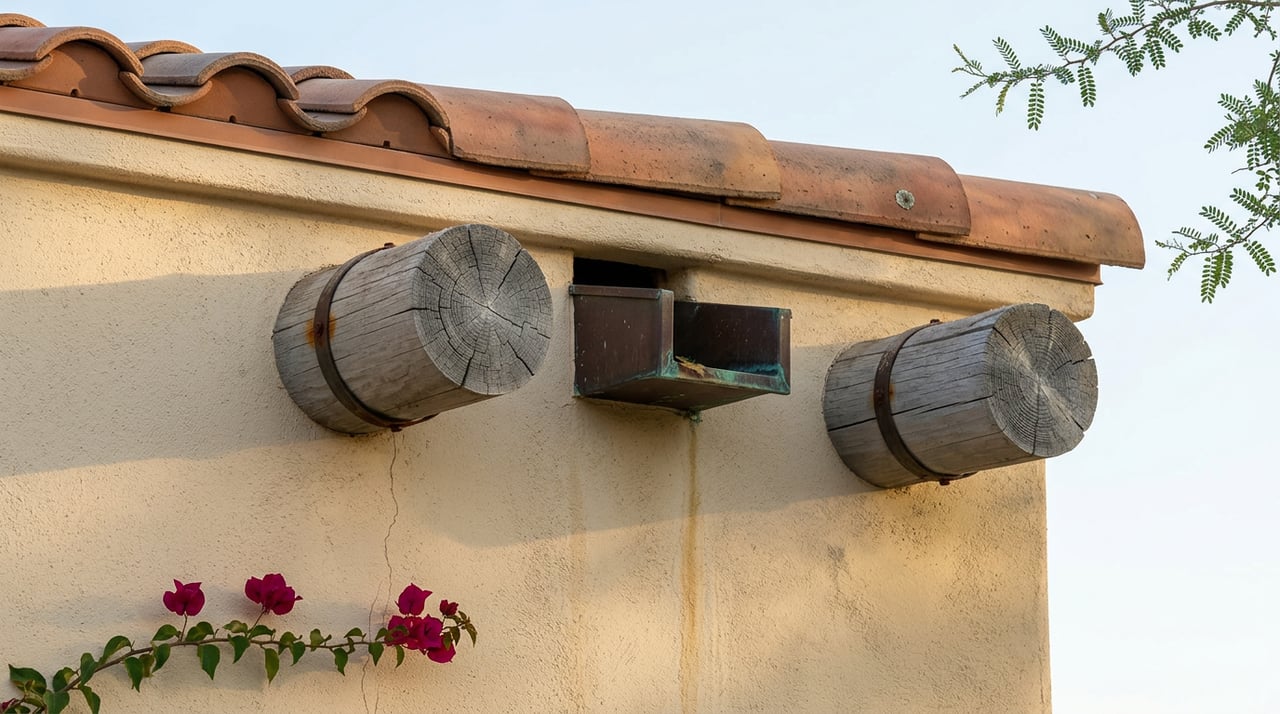
Many Paradise Valley estates sit on private septic rather than a municipal sewer connection. That single fact triggers a state rule most sellers meet for the first time when their agent brings it up.
Arizona Administrative Code R18-9-A316 requires the seller of any property served by a conventional septic tank or an alternative onsite system to retain a qualified inspector to perform a transfer-of-ownership inspection within six months before the transfer date. The inspector prepares a Report of Inspection, and the seller must provide that ROI, along with any permits and maintenance records in the seller's possession, to the buyer before closing. Maricopa County's onsite wastewater page confirms the same six-month window and, importantly, notes that the rule takes precedence over any conflicting terms in the purchase contract.
Two practical points follow. First, the inspector will typically want the tank pumped so lid integrity, baffles, and levels can be assessed. Second, if the home does not close within six months of the inspection, the ROI expires and a new inspection is required. Sellers who list in October and go under contract in April sometimes pay for the same inspection twice.
The Notice of Transfer filing itself is a separate step. The ADEQ transfer program charges a $50 fee per parcel, and the buyer is responsible for submitting the Notice within 15 calendar days after the property transfer.
If your home sits above the natural desert grade, on Mummy Mountain, along Camelback, or in the Clearwater Hills area, the Town of Paradise Valley's Hillside Building Committee already has a file on it. Article XXII of the Town's Zoning Ordinance governs this committee, whose five members review new construction for adherence to the Hillside Code. Their scope covers land disturbance, height, lighting, building materials, grading, and drainage.
A sophisticated buyer's agent will ask for that file. So will a jumbo-loan appraiser trying to defend value on a comparable that involved a hillside variance. If your prior grading, retaining walls, or lighting were approved under a Hillside application, the approval documents belong in your pre-list package. If work was completed without approval, that is a disclosure conversation to have with your agent well before you sign a listing agreement.
One nuance often missed: some parcels marketed as "Paradise Valley" actually sit inside the City of Phoenix, not the Town, and are subject to Phoenix hillside rules instead. Paradise Valley Village, for example, is a Phoenix neighborhood, not part of the Town. Confirming jurisdiction is a first-week task, not an eleventh-hour surprise.
Paradise Valley requires Town permits for a specific list of improvements that come up in almost every luxury transaction:
If any of these were added or modified during your ownership, collect the permits, plans, and final inspection sign-offs now. If a prior owner did the work, request whatever the Town has on file. Arizona sellers commonly complete the AAR Seller Property Disclosure Statement, and A.R.S. § 32-2156 addresses limited exceptions related to stigmatized property, but the underlying obligation to disclose known material facts is broad. Unpermitted work is a material fact.
The 1961 Town charter blocks office, retail, and industrial development inside Paradise Valley, and by extension there are no production-builder subdivisions. No DR Horton, no Lennar, no Meritage, no Taylor Morrison. Every comparable sale is a custom home on a custom lot.
That absence of comps changes what your pricing strategy has to do. It cannot lean on a rolling average of tract sales. It has to defend land value, view corridor, building envelope, architecture, and finish level as separate variables.
The market context in mid-2026 makes that defense harder, not easier, because the price range is wide:
| Data point | May 2026 | Source |
|---|---|---|
| Median sale price | ~$5.2M | ARMLS via local market reporting |
| Per-square-foot median | $987 (up from $951 in April) | ARMLS via local market reporting |
| Trophy-tier per-square-foot | $1,400–$2,000 | Local market reporting |
| Monthly SFH closings, Paradise Valley | ~40–60 | Local market reporting |
| Monthly SFH closings, Scottsdale or Phoenix | 800–1,000 | Local market reporting |
The 40-to-60 closings figure is the number every seller should sit with. Paradise Valley clears roughly one home per day. That thin volume means comps age quickly, appraisers stretch further to build a file, and one atypical trophy sale can distort perception of what a $6M home should now fetch. A pre-listing appraisal, especially for buyers who will need jumbo financing, is often worth the cost.
A significant share of top-tier Paradise Valley sales close without financing, particularly buyers relocating from California and Illinois who prefer to sidestep jumbo-loan appraisal risk. Cash does not mean casual. Cash buyers and their attorneys tend to run deeper diligence than lenders do, because there is no bank underwriter absorbing part of the risk.
In practice, that means the buyer's team will read your septic ROI carefully, ask for the Hillside file, pull permit history from Town records, and request maintenance logs for pools, retaining walls, wells if applicable, and any water-feature equipment. A clean, indexed document package is one of the highest-leverage things a seller can prepare. It shortens contingency periods and reduces the number of re-negotiation openings that appear after inspection.
For a Paradise Valley home targeting a launch in the next six months, the order that tends to work best:
Sellers who follow this order tend to spend less time in inspection re-negotiation and more time comparing offers.
Do I have to inspect my septic if the buyer waives it? No, because the buyer cannot waive it. Arizona rule R18-9-A316 requires the transfer-of-ownership inspection within six months prior to transfer, and the rule takes precedence over conflicting contract language. A waiver in the purchase contract does not remove the state obligation.
My home is on Camelback but the address says Phoenix. Which hillside rules apply? Phoenix rules. The Town of Paradise Valley and the City of Phoenix are separate jurisdictions with separate hillside codes. Paradise Valley Village, despite the name, is inside Phoenix. Confirm the parcel's municipal boundary with the assigned planning department before assuming which committee reviews your file.
I bought my home already built and never touched the exterior. Do I still need the Hillside file? If the property was subject to a Hillside approval when it was built, buyers and appraisers may still request that file. You are not the applicant of record, but you are the seller of record, and having the documentation in hand speeds the transaction. The Town retains records at 6401 E Lincoln Drive and staff can help identify what exists.
Selling in Paradise Valley rewards preparation more than aggressiveness. The Town, the State, and a well-advised buyer will each ask for the same paper trail, and the sellers who assemble it early tend to close on their terms. If you are weighing a 2026 or 2027 sale and want a calm, specific read on how these friction points apply to your address, Shannon Pulsifer is available for a private consultation. Let's Connect.
Stay up to date on the latest real estate trends.


Ready to make your real estate journey smooth and stress-free? Whether you’re buying your first home, selling, relocating, or investing in Scottsdale and Phoenix, I’m here to provide expert guidance, personalized service, and unmatched dedication. Get in touch and turn your real estate goals into reality!
SHANNON PULSIFER
ADDRESS 8852 E Pinnacle Peak Rd Ste J4 Scottsdale AZ 85255